Three tracks. One promise: every kid ships something real.
Pick the track that fits your kid’s wiring. Each one is a six-week summer build led by a mentor inside Graidschool. Every day produces an artifact saved to the Capstone Locker. By week six, those daily pieces become the final project.
Ages
8 – 12
Duration
6 weeks
Pace
Self-paced
Daily commitment
25 – 40 min
Final deliverable
One real, shareable project
Parent involvement
Optional. Encouraged. Never required.
Track A
Creator
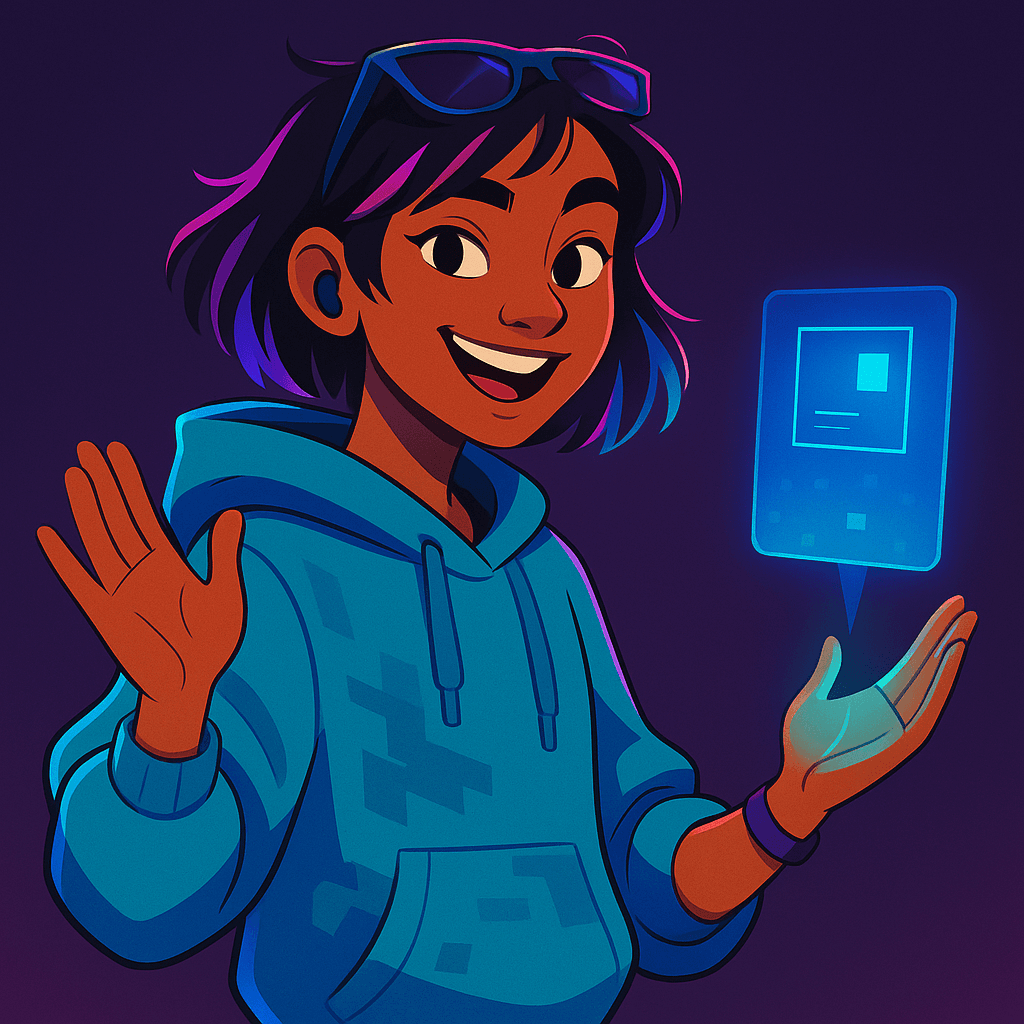
Build a playable browser game.
Mentored by Pixel · Best for: Kids who love games, characters, levels, and instant feedback.
What your kid takes home
A playable browser game with a title screen, core mechanic, character or world hook, win condition, and shareable URL.
The six-week arc
1Prompt fundamentals through tiny game ideas
2Game concept, player promise, and loop
3World, character, rules, and feedback
4Build the first playable prototype
5Polish, test, and improve from feedback
6Ship the game and record the creator walkthrough
Track B
Builder
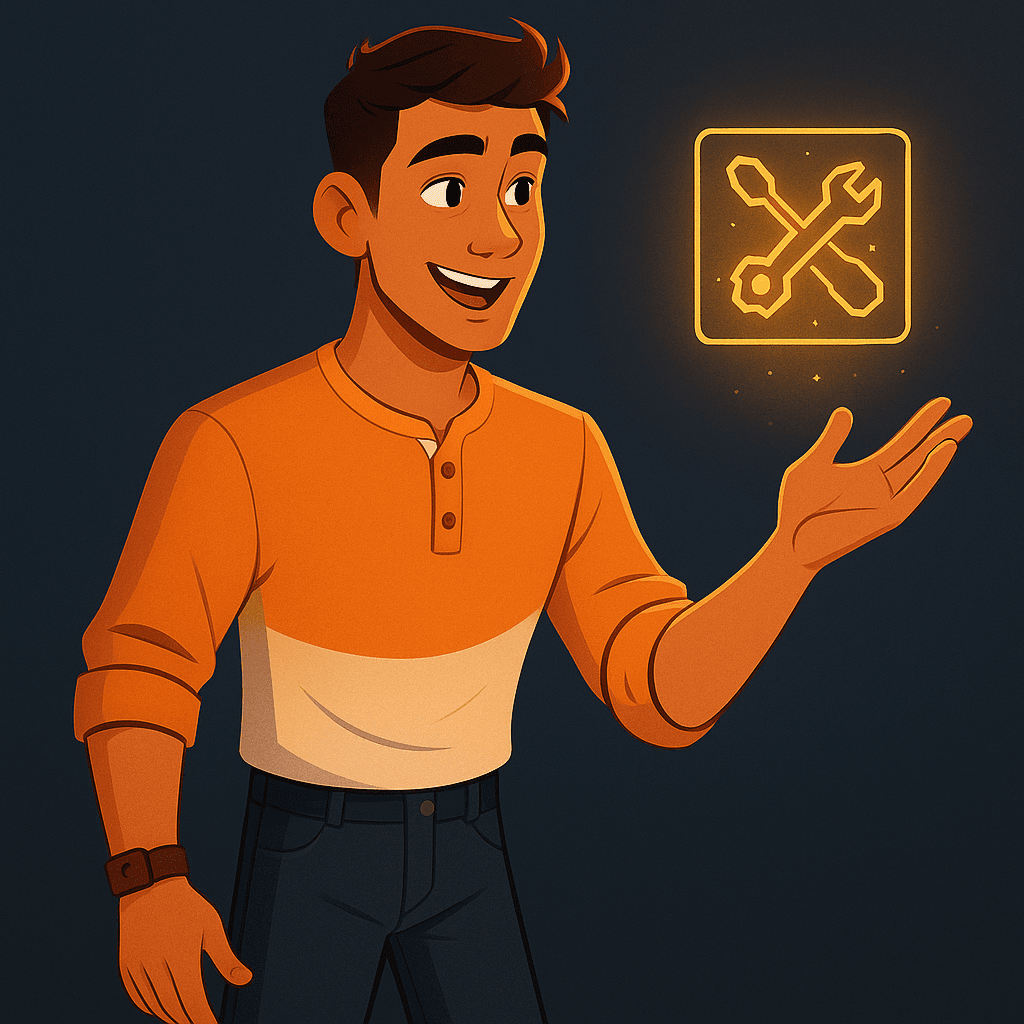
Build a simple working web tool.
Mentored by Bolt · Best for: Kids who like gadgets, utility, logic, and making something useful.
What your kid takes home
A working web utility, such as a planner, calculator, tracker, quiz, checklist, or helper tool, ready to demo to family.
The six-week arc
1Prompt fundamentals through useful mini-tools
2Pick a real problem and define the user
3Plan inputs, outputs, states, and edge cases
4Build the core tool screen
5Improve usability, empty states, and errors
6Ship the tool and explain how it helps someone
Track C
Thinker
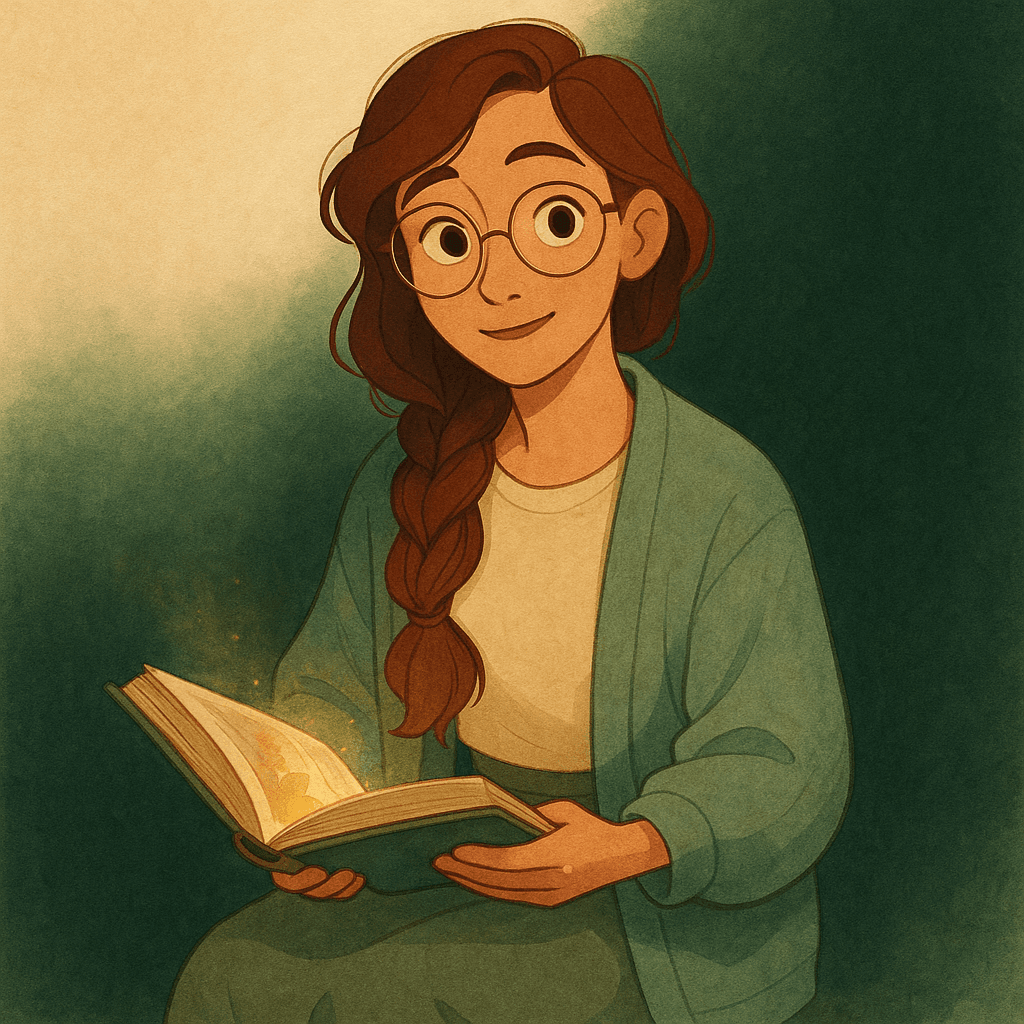
Write and illustrate a children's book.
Mentored by Sage · Best for: Kids who love stories, art, questions, and big feelings.
What your kid takes home
A complete children's book manuscript with page beats, illustration prompts, cover direction, and KDP-ready assembly plan.
The six-week arc
1Prompt fundamentals through story questions
2Theme, character, and audience promise
3Plot, page turns, and emotional shape
4Illustration prompts and visual consistency
5Revise for clarity, rhythm, and read-aloud feel
6Assemble the book package and author note
What every track has in common
The hidden curriculum: how to actually talk to AI.
Daily artifacts
Every lesson ends with something saved. The capstone is assembled, not crammed.
Prompt craft, in context
Kids learn context, constraints, examples, revision, and taste — through the thing they're actually building.
Guardrails kids respect
The AI Teacher guides and quizzes. It never replaces the kid's choices or claims their work.
Show-and-tell on rails
Each week ends with a "tell me what you made" moment so parents always know what's happening.
Mentor-in-residence
Pixel, Bolt, or Sage runs the day-to-day. Quill closes each chapter with a personal note.
One sticky promise per kid
By week six, every kid has a single, demo-ready, parent-impressing deliverable.
Curious what happens between summer terms?
Year-round seasonal modules keep the mentors close, the kid engaged, and the family table full of small wins.